
FOUNDATION REPAIR ON THE MAIN LINE
Trusted Experts in Structural Foundation Repair & Basement Cracks
When something goes wrong with your foundation, everything else in the home feels suddenly… unstable. Cracks appear out of nowhere, walls start bowing, doors don’t close the way they used to, and sometimes you even see water sneaking in after a heavy storm. None of it feels good — and none of it should be ignored.
At Main Line Waterproofing, we’ve spent decades helping homeowners across the Main Line diagnose and repair foundation issues before they turn into major (and expensive) structural problems. Whether you’re in Ardmore, Bryn Mawr, Wayne, Villanova, or anywhere along the Main Line, our team knows the soil conditions, water patterns, and foundation types in this region inside and out.
Below, you’ll find a complete guide to the most common foundation problems we see — and how we fix them. If you’re dealing with cracks, bowing walls, or water intrusion, you’re in the right place.
For cracks, bowing walls, or water intrusion, call 610-642-4444 or request a FREE inspection — we’ll walk you through the best repair options for your home.
Why Foundation Problems Happen
Foundations in the Delaware Valley deal with a unique mix of conditions:
- Expansive clay soils
- Freeze/thaw cycles
- Heavy seasonal rainfall
- Hydrostatic pressure
- Aging construction
- Poor drainage around the home
Over time, these issues create stress on your foundation walls and floor. That stress eventually shows up as cracks, bowing walls, settling, or water intrusion. The good news? Most foundation issues can be repaired — the key is diagnosing them early.
Signs Your Foundation Needs Attention
If you’re seeing any of the following, it’s time to schedule an inspection:
- Bowing or bulging basement walls
- Vertical, horizontal, or step cracks
- Crumbling or deteriorating mortar
- Water seeping through cracks
- Damp spots or white staining (efflorescence)
- Doors or windows suddenly sticking
- Uneven basement floor
- Gaps at the top or bottom of foundation walls
These symptoms don’t fix themselves. And the longer they’re ignored, the more expensive the repairs become.
Foundation Types & How We Repair Them
Different foundation types require different solutions. Below are the most common foundation issues we see along the Main Line and how we address them safely and cost-effectively.
Poured Concrete Foundation Repair
Poured concrete is strong — but not immune to cracking.
Vertical Foundation Cracks
Vertical cracks are extremely common in poured concrete walls. Most of the time, they’re not structural problems. The real concern is water intrusion.
The good news: vertical cracks are usually easy and affordable to repair.
Common repair options:
- Urethane crack injections (permanent interior seal)
- Exterior waterproofing and crack sealing (best long-term protection)
Even if the crack isn’t leaking yet, we recommend sealing it before finishing a basement. Waterproofing after drywall is installed is… not ideal.
Horizontal Cracks
Horizontal cracks are a different story. These cracks typically indicate structural movement and are much more serious.
Hydrostatic pressure — the force of groundwater pushing against your basement walls — is often the culprit. As pressure builds, the wall begins to bow inward, creating long horizontal cracks.
Horizontal cracks should always be evaluated immediately.
Possible repair solutions include:
- Carbon fiber reinforcement
- StablWall (carbon fiber panel system)
- Structural bracing
- Exterior excavation and wall support
- Drainage improvements to relieve pressure
The right method depends on how severe the movement is.
Block Foundation Repair
Cinder block or CMU foundations behave differently from poured concrete. They’re made up of individual blocks and mortar joints, which means they can show distress in different ways.
Step Cracks & Horizontal Cracks
Step-shaped cracks running along the mortar joints are common indicators of:
- Settlement
- Lateral movement
- Hydrostatic pressure
- Bowing walls
Horizontal cracks in block walls usually point to pressure problems as well — and should be looked at quickly.
When block walls begin to bulge or bow, structural integrity becomes a concern.
Water Inside the Blocks
If your block foundation is turning darker in certain areas, that’s a sign water is filling the hollow blocks through capillary action. Over time, this can lead to mold, musty smells, and interior moisture problems.
Typical repair options include:
- Internal French Drain System (PRS) to relieve block pressure
- Exterior waterproofing to stop water before it reaches the wall
- Sump pump installation if needed
This approach drains water out of the block system and away from your home.
Foundation Repair Inspections
A professional foundation inspection is the best way to understand the extent of the problem — and the most cost-effective solution.
Our team evaluates:
- Wall movement
- Crack size, shape, and activity
- Water intrusion patterns
- Grading and drainage around the home
- Soil conditions
- Existing waterproofing systems
- Structural load paths
- Basement humidity and moisture levels
The Main Line has a mix of clay, shale, and silt soils that expand when wet and shrink when dry. Understanding the soil around your foundation is critical to designing a long-lasting repair.
Bowing Wall Repair Solutions
Modern foundation repair has come a long way. We specialize in non-invasive, highly durable reinforcement systems that stabilize and strengthen basement walls without heavy equipment, jackhammers, or major excavation.
StablWall Carbon Fiber System
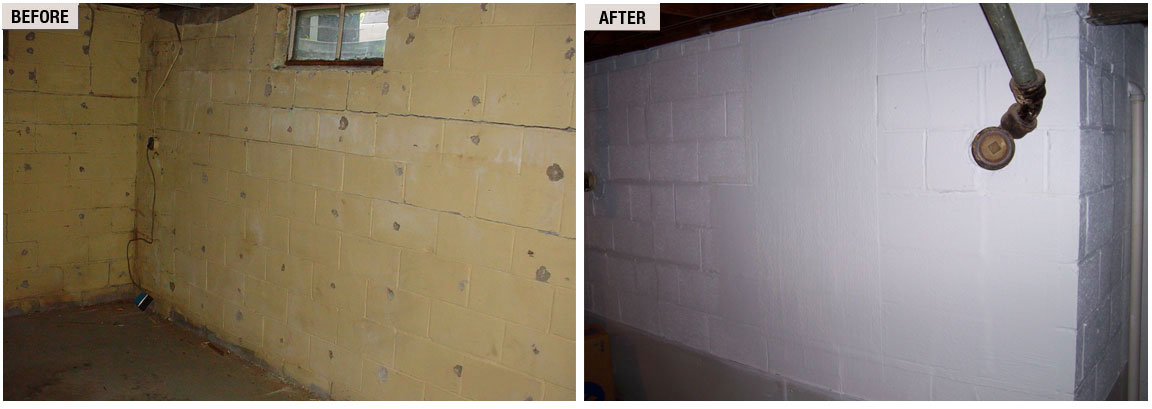
StablWall is one of the most effective and permanent solutions for bowing or cracked walls. Made from high-strength carbon fiber, these panels bond to the foundation wall with structural epoxy and provide reinforcement that’s actually stronger than steel.
Benefits of StablWall:
- Stronger than steel beams
- Non-invasive installation
- No excavation required
- Permanent structural stabilization
- Clean, low-profile appearance
- Prevents future cracking or bowing
This system repairs and strengthens the wall without altering the look of your basement.
Drainage Improvements & Pressure Relief
Many foundation issues come from hydrostatic pressure, so addressing drainage is key.
If needed, we may recommend:
- Interior French drain installation (PRS system)
- Exterior waterproofing
- Gutter/downspout extension
- Soil grading improvements
- Sump pump or backup system
Removing water around the foundation reduces pressure and prevents future movement and cracking.
Foundation Repair in Main Line Neighborhoods
We regularly inspect and repair foundations in:
- Ardmore
- Bryn Mawr
- Haverford
- Gladwyne
- Wayne
- Villanova
- Berwyn
- Devon
- Paoli
- Merion Station
- Narberth
- Wynnewood
- St. Davids / Radnor
Whether your home was built 15 years ago or 115 years ago, we’ve seen the pattern of foundation issues in your neighborhood — and we know exactly how to fix them.
Why Main Line Waterproofing?
You’re not dealing with a franchise. You’re dealing with a local team that’s been in the field for decades.
You’ll get:
- Honest, straightforward assessments
- Solutions tailored to your home — not one-size-fits-all
- Work completed by trained specialists
- Lifetime warranties on many repairs
- Fast, clean, efficient installations
- A team that actually answers the phone
Our goal is simple: fix the problem the right way, the first time.
Get a Foundation Repair Inspection
If you’re noticing cracks, bowing walls, or water seeping through your foundation, now is the time to act. Foundation problems don’t get better on their own — but with the right repair plan, they can be permanently solved.
Call us today at 610-642-4444 or request a FREE inspection online.