
AIR QUALITY CONTROL ON THE PHILADELPHIA MAIN LINE
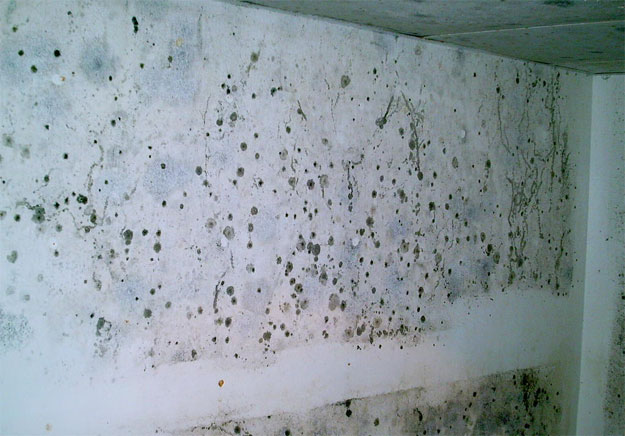
Seeing mold or mildew in your basement can be unsettling. White, fuzzy growth on walls. Dark spots on wood or concrete. A musty smell that never seems to go away. While mold itself is common, mold growth inside a home is almost always a sign of excess moisture – and that is where Main Line Waterproofing can help.
While mold is a problem we see often in our profession, we do not provide full mold remediation services. Instead, we correct the source of the issue to prevent mold from returning using a variety of techniques, including basement waterproofing, dehumidification and specialized sealers.
Our role is identifying and correcting the water and humidity issues that allow mold and mildew to grow in the first place. In many cases, fixing the moisture problem is the most important step in preventing mold from returning.
If you are seeing mold in your basement or crawl space, this page will help you understand:
- Why mold and mildew grow
- What different types of basement mold may indicate
- When mold becomes a problem
- How moisture control and waterproofing help prevent future growth
- What steps to take next
Why Mold and Mildew Grow in Basements
Mold spores are naturally present in both indoor and outdoor air. On their own, they are not usually an issue. Mold becomes a problem when spores land on a surface that stays damp for extended periods of time.
Basements and crawl spaces provide ideal conditions for mold growth:
- Limited natural light
- Stable, moderate temperatures
- Elevated humidity
- Water intrusion through walls, floors, or foundation cracks
Mold requires three things to grow:
- Moisture
- Organic material (wood, paper, dust, drywall)
- Time
Remove the moisture, and mold growth stops.
Common Causes of Basement Mold
In our experience, basement mold and mildew are usually tied to one or more of the following issues:
Water Seepage or Leaks
- Cracks in foundation walls or floors
- Poor exterior drainage
- Hydrostatic pressure forcing water through concrete
- Failed waterproofing systems
High Humidity
- Poor air circulation
- Seasonal humidity
- Inadequate or undersized dehumidifiers
Plumbing or Mechanical Issues
- Leaking pipes
- Condensate pump failures
- Water heater or HVAC issues
Crawl Space Moisture
- Unsealed crawl spaces
- Missing or damaged vapor barriers
- Standing water or saturated soil beneath the home
Until these issues are addressed, mold cleanup alone is rarely a permanent solution.
Types of Mold Commonly Found in Basements
Homeowners often ask about the type of mold they are seeing. While we do not test or identify mold species, certain appearances are commonly reported.
White Mold in the Basement
White mold often appears fuzzy or powdery and is commonly found on:
- Wood beams
- Floor joists
- Basement walls
It is frequently associated with high humidity and condensation, especially in unfinished basements and crawl spaces.
Black Mold in the Basement
Dark-colored mold can appear black, green, or dark brown. While not all black mold is toxic, its presence typically indicates ongoing moisture exposure.
Regardless of color, visible mold growth signals that moisture is present and needs to be addressed.
Can Basement Mold Affect Your Health?
According to the EPA, mold exposure can cause:
- Allergic reactions
- Respiratory irritation
- Worsening of asthma symptoms in sensitive individuals
Symptoms may include sneezing, coughing, skin irritation, or eye discomfort. Not everyone reacts the same way, but mold should not be ignored – especially when it continues to return.
Why Mold Keeps Coming Back After Cleanup
One of the most common frustrations homeowners face is recurring mold. This usually happens when:
- Mold is removed but moisture is not addressed
- Dehumidification is inadequate
- Water intrusion continues behind finished walls
- Crawl space moisture is overlooked
From a long-term perspective, controlling moisture is more effective than repeated mold cleanup.
How Main Line Waterproofing Helps Prevent Mold Growth
While we do not perform mold remediation, we specialize in the services that help prevent mold from returning.
Basement Waterproofing
We apply waterproof, mold inhibiting sealers to concrete floors, foundation walls, and wooden floor joists to remove porosity from surfaces that could absorb moisture and cause mold.
Interior and exterior waterproofing systems are designed to:
- Manage groundwater
- Relieve hydrostatic pressure
- Keep basement walls and floors dry
Dry basements are far less likely to support mold growth.
Drainage Systems
Solutions such as interior drainage systems, floor drains, and French drains help redirect water away from your foundation before it becomes a moisture problem.
Crawl Space Solutions
In crawl spaces, moisture control may include:
- Vapor barriers
- Drainage improvements
- Sealing and insulation
- Addressing standing water or high humidity
Dehumidification
Properly sized dehumidifiers play a critical role in maintaining healthy humidity levels. In many homes, off-the-shelf units are not sufficient for basement or crawl space conditions.
Should You Start With a Mold Inspection or a Moisture Inspection?
If you are seeing mold, mildew, or musty odors, the most productive first step is often a moisture-focused inspection.
This allows us to:
- Identify where moisture is entering or accumulating
- Determine whether waterproofing or drainage solutions are needed
- Recommend humidity control options
- Help you understand whether mold remediation may also be necessary
In some cases, addressing moisture issues significantly reduces or eliminates mold growth without further intervention.
Mold Remediation Resources
If professional mold remediation is required, we can recommend experienced third-party specialists. Mold remediation and testing should always be performed by qualified professionals who focus specifically on containment and removal.
Addressing moisture first – or in parallel – helps ensure remediation efforts are successful long term.
When to Call Main Line Waterproofing
You should consider reaching out if:
- You see mold or mildew in your basement or crawl space
- Your basement smells damp or musty
- You have recurring humidity issues
- Water enters your basement during heavy rain
- Mold returns after cleanup
Our inspections focus on finding the source of moisture, not selling unnecessary work. We believe informed homeowners make better decisions.
Schedule a Basement or Crawl Space Inspection
If mold or mildew is present in your home, moisture is almost always part of the problem. Identifying and fixing that issue is the key to preventing future growth.
Contact Main Line Waterproofing today to schedule an inspection and learn what steps make sense for your home.