
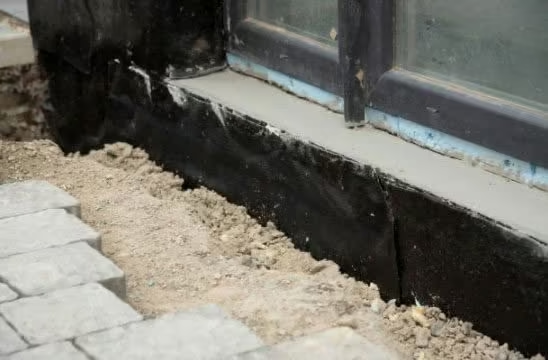
Water Seeping Through Basement Walls: Causes and Fixes for Main Line Homes
Water seeping through basement walls often happens when water builds up in the soil around a foundation and finds its way through cracks, mortar joints, or porous masonry. Where soil drains slowly and homes have older stone or block foundations, as many on the Main Line do, heavy rain can reveal the problem through damp patches, dark streaks, or water along the wall.
Founded in 2010 and backed by 35+ years of family waterproofing experience, Main Line Waterproofing helps homeowners identify the source of basement seepage and choose an appropriate solution. This guide explains common causes, what you can safely try yourself, and which waterproofing options may suit your home.
Water on your basement walls right now? Schedule your free inspection and we’ll find exactly where it’s getting in.
Key Takeaways
- Wall seepage is usually hydrostatic pressure: saturated soil pushing groundwater through cracks, mortar joints, the floor-wall joint, or porous masonry.
- Slow-draining soil and older stone or block foundations can contribute to basement water problems in Main Line homes.
- Improving grading, gutters, and downspout drainage can help reduce water around the foundation, while interior sealers and waterproofing paint may not resolve recurring seepage.
- Common solutions include an interior French drain with a sump pump and backup, crack injection for a single poured-concrete crack, or exterior waterproofing.
- A free inspection finds the source first, so the fix matches the problem.
Why Is Water Seeping Through My Basement Walls?
Rain, snowmelt, and heavy storms saturate the soil around your foundation, and that water pushes against the wall with real force. This is hydrostatic pressure, and it finds any weakness: a crack, a mortar joint, the seam where the floor meets the wall, or the masonry itself.
When the water appears, it can offer clues about its source. Seepage that follows heavy rain may indicate drainage problems or pressure from saturated soil. Other potential sources, including plumbing leaks, should also be ruled out during diagnosis.
The most common entry points:
- The cove joint (wall-floor joint). The seam where the slab meets the wall is the lowest point, so pressure is greatest there, and it often shows up as floor seepage.
- Foundation cracks. Vertical cracks in poured concrete are common, and horizontal or stair-step cracks can mean the wall is moving.
- Mortar joints. In block and fieldstone walls, aging mortar lets water travel through even when the wall looks solid.
- Pipe penetrations and window wells. Openings where pipes pass through the wall, and window wells that hold water against the glass and window sills, give water a way in.
- Porous masonry. Older concrete and stone absorb water through the wall face.
White stains or mineral deposits are efflorescence, the salt residue left when water moves through masonry and evaporates. Add a musty odor or active dripping, and the message is the same: your wall is under pressure, and it’s worth having it checked.
What Causes Water to Seep Through Basement Walls on the Main Line?
Several conditions common here work together, which is why two homes on the same street can have different problems.
| Cause | Why it happens | Usually points to |
|---|---|---|
| Slow-draining soil | When soil or backfill drains slowly, rainwater can collect against foundation walls and contribute to seepage. | Interior French drains or exterior waterproofing |
| Older stone and block foundations | Fieldstone and block are porous, and old mortar joints leave channels for water | Interior drainage or exterior sealing |
| Poor grading and drainage | Rainwater runoff discharged close to the house loads the wall with extra water | Downspout discharge and grading corrections |
| Cracks and failed sealants | Settling and freeze-thaw cycles open cracks, and patches fail under pressure | Crack injection or foundation repair |
| Heavy storms and snowmelt | Spring thaw and storms saturate soil fast, so water intrusion peaks | A drainage system built for peak water |
These conditions vary from property to property. Older stone and block foundations are found throughout the Main Line, while sloped lots or inadequate grading can direct additional runoff toward a home’s foundation.
Is Water Seeping Through Basement Walls Dangerous?
It’s worth addressing seepage early because persistent moisture can damage finishes and contribute to deterioration over time. Cracks that widen or walls that bow or shift call for a foundation repair evaluation and should be evaluated by a qualified structural professional.
Moisture is also what mold and mildew need. A damp wall, a musty odor, and stored belongings that smell of mildew can appear before visible growth. Addressing the moisture source is the first step in our approach to mold and mildew prevention, while a dehumidifier can help control indoor humidity.
Addressing moisture problems early may help prevent additional damage to finished walls, flooring, and stored belongings.
Can I Fix Water Seeping Through Basement Walls Myself?
You can reduce the water reaching your walls, but you generally can’t stop pressure that is already behind them. Start with the free fixes: clean your gutters, extend downspout discharge well away from the house, and make sure the soil slopes away from the foundation.
Hydraulic cement and masonry waterproofing coatings may help with certain limited surface problems, but they don’t necessarily address the drainage conditions causing recurring seepage. When water continues entering through foundation walls, a professional inspection can help determine whether drainage improvements, crack repair, or another waterproofing approach is appropriate.
Stop DIY and call when:
- water is running or dripping, not just damp
- several walls or several spots are wet
- you see efflorescence, staining, or flaking masonry
- you have a block or stone foundation
- the seepage returns after patching
What Are the Solutions for Water Seeping Through Basement Walls?
The right foundation waterproofing fix depends on your wall, how much water is entering, and where.
| Solution | How it works | Best for |
|---|---|---|
| Interior French drain (Pressure Relief System) with sump pump and backup | A drain at the base of the wall collects water and sends it to a sump pump before it reaches your floor | Active seepage, several walls, block or stone foundations, water at the floor-wall joint |
| Crack injection | Urethane injected from the inside seals a single crack | One vertical crack in poured concrete |
| Exterior waterproofing | The wall is excavated, sealed with a waterproof membrane, and drained along the footing | Chronic seepage through older stone or block walls, or a basement you plan to finish |
For many homes, an interior French drain is a practical option because it collects groundwater and directs it toward a sump pump without requiring excavation around the exterior foundation. Battery- or water-powered backup pumps can provide additional protection during power outages, while exterior drainage improvements can help reduce the amount of water reaching the foundation.
If a foundation wall has visibly bowed or shifted, foundation repair may be part of the plan and it should be evaluated by a qualified structural professional. A connected damp crawl space may also require a separate assessment to determine whether drainage or crawl space waterproofing is appropriate.
How Do I Know Which Solution I Need?
A professional inspection is the only reliable answer, but these signs point the way:
- Interior French drain: water at the floor-wall joint, more than one wet wall, block or stone walls, or past patches that failed.
- Crack injection: one visible vertical crack in poured concrete that is the only entry point.
- Exterior waterproofing: heavy, constant seepage through older stone or block walls, or a basement you plan to finish.
Not sure which one fits your wall? Schedule your free inspection and we’ll tell you after we’ve seen your home, not before.
What Should I Do Right Now If Water Is Coming In During a Storm?
Protect your belongings first, and find the source once the rain stops.
If your basement is actively flooding, avoid standing water near electrical equipment and contact a water-damage restoration company for immediate assistance. Main Line Waterproofing focuses on diagnosing and preventing future water intrusion, rather than emergency flood cleanup.
- Move anything off the floor, even if the water looks minor.
- If it’s safe to do so, photograph the affected areas to document where water is entering.
- Check that your sump pump is running and discharging away from the house, and that your backup is ready for a power outage.
- Run a dehumidifier or fan once the leak slows, to keep humidity from climbing.
- Call for an inspection after the storm instead of waiting to see if it happens again.
Why Can Spring Weather Increase Basement Wall Seepage?
Periods of heavy rain and snowmelt can saturate the soil around foundation walls, increasing the likelihood of seepage through existing cracks, joints, or porous masonry. How severely a basement is affected depends on its foundation, grading, drainage, and local conditions.
Fall and winter can also be good times to schedule an inspection if you’ve noticed recurring dampness or seepage.
What a Real Fix Looks Like
Published reviews show what a correct diagnosis does. A Wayne homeowner had paid two other contractors to fix water problems, but their guarantees didn’t help when the water came back. Main Line Waterproofing diagnosed the problem correctly and built a drain system to redirect the water rushing toward the back of the house, and the homeowner says the water issue is gone. An Ardmore property owner had perimeter systems installed in damp rental basements and says the jobs went smoothly and solved the problem. Read more reviews.
What Does It Cost to Stop Water Seeping Through Basement Walls?
Cost depends on the method, how many walls are affected, and how hard the site is to work on, so a fair number needs an inspection. For a rough idea, most interior French drain (Pressure Relief System) systems run $5,000 – $8,000, depending on the size of the basement. Our basement waterproofing cost guide explains what drives each price. Homeowners receive a free on-site assessment followed by a detailed written proposal by email. Financing is available through GreenSky.
Standard homeowners insurance policies often exclude groundwater seepage and basement waterproofing work. Coverage for sudden plumbing-related water damage varies by policy, so check with your insurer about your specific coverage.
Why Homeowners Choose Main Line Waterproofing
- Our interior French drain (Pressure Relief) systems carry a lifetime warranty that transfers automatically to future homeowners at no cost. Partial installations are covered for the area installed. Warranty coverage takes effect once the project balance is paid in full, and applicable terms and exclusions apply.
- Founded in 2010 and backed by more than 35 years of family waterproofing experience.
- Thousands of satisfied customers served.
- Every project is managed by Main Line Waterproofing from inspection through completion.
- No high-pressure sales pitches, long presentations, or constant upselling.
- Detailed estimates tailored to customer needs and budget.
- Options for a range of budgets, with financing available.
We serve homeowners within about an hour of Ardmore, including Ardmore, Bryn Mawr, Haverford, Wayne, Villanova, Gladwyne, Devon, Berwyn, Havertown, Narberth, Wynnewood, Bala Cynwyd, Media, West Chester, and the surrounding Philadelphia suburbs. Read what homeowners say.
Frequently Asked Questions
Why does water come through my basement walls only after it rains?
Rain saturates the soil around your foundation, creating hydrostatic pressure that pushes water through cracks, mortar joints, the cove joint, or porous masonry. The heavier the rain and the slower the soil drains, the higher the pressure.
Can I waterproof my basement walls from the inside?
Yes. Interior waterproofing doesn’t keep water from reaching the wall, but an interior French drain intercepts it at the base and sends it to a sump pump before it reaches your floor, which is usually less invasive than exterior excavation.
How do I stop water coming through cinder block walls?
Block walls let water travel through their hollow cores, so surface sealants and paint rarely hold. An interior French drain with a sump pump handles the water inside the wall instead of fighting it from the surface.
What is the white powder on my basement walls?
It is efflorescence, a salt residue left when water moves through masonry and evaporates. It signals that water is migrating through the wall even when the floor looks dry.
Is a little water seeping through a basement wall normal?
Water entering through a basement wall is worth investigating, even when the amount is small. Recurring seepage may indicate drainage issues, foundation cracks, or moisture moving through masonry. An inspection can help identify the cause.
Does homeowners insurance cover water seeping through basement walls?
Usually not. Standard homeowners insurance policies often exclude groundwater seepage and basement waterproofing work. Coverage for sudden plumbing-related water damage varies by policy. Check with your insurer to confirm your specific coverage.
Request a Free Basement Wall Seepage Inspection
The right fix depends on your foundation, soil, and grade, and none of that can be judged over the phone. Our team will do a thorough inspection, find where the water is entering, and give you a detailed written estimate in a no-pressure consultation.
Call 610-642-4444 or schedule your free inspection to identify the cause of basement wall seepage and explore the right waterproofing options for your home.